

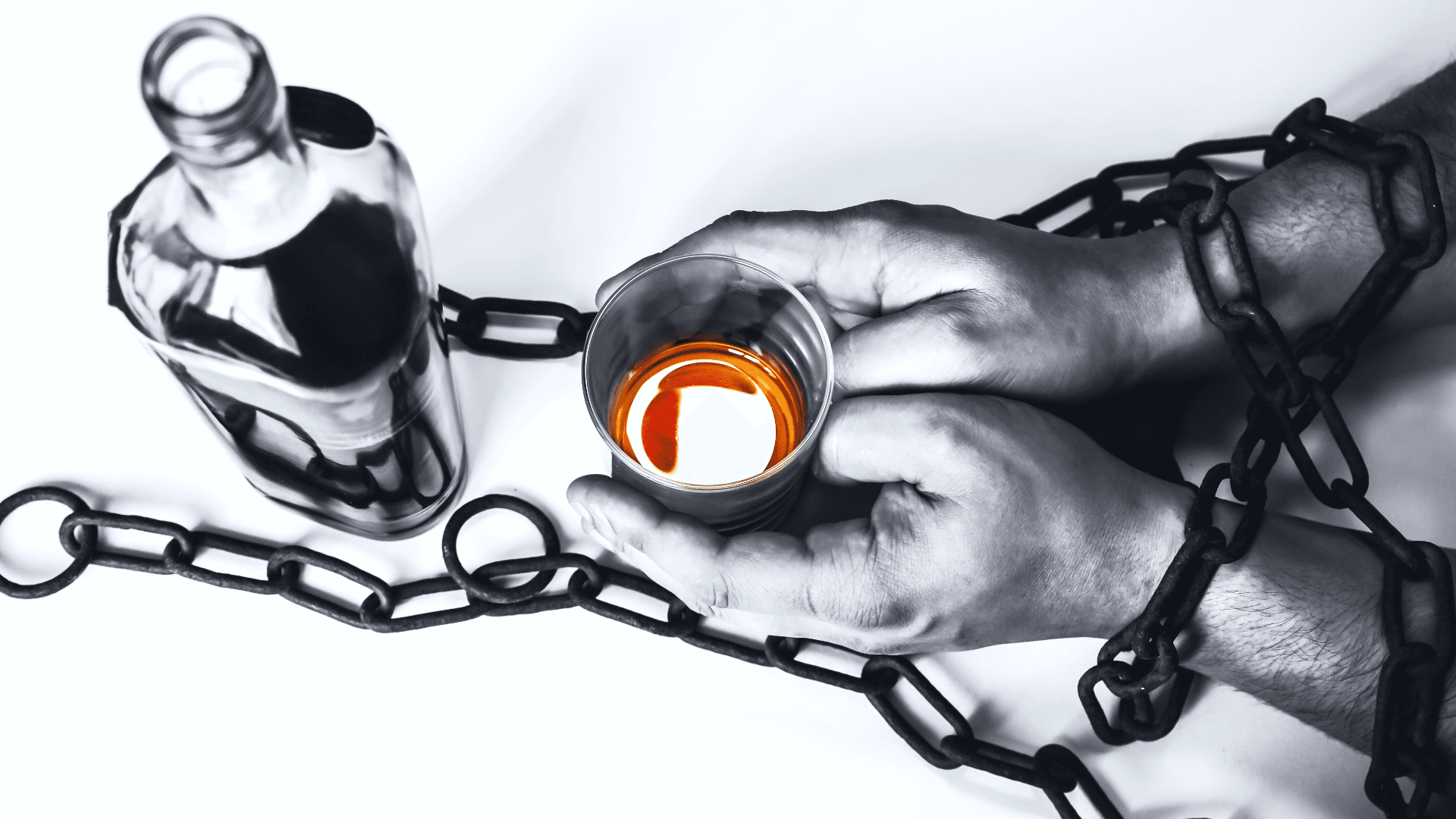
Alcohol doesn’t just affect mood.
It disrupts hormonal signalling across the entire body — in both men and women.
Here’s what happens physiologically:
1. Hormone suppression
Alcohol interferes with the endocrine system at multiple levels:
Suppresses testosterone production and signalling
- Disrupts estrogen balance in women
Increases aromatase activity (conversion of testosterone into estrogen)
Impairs progesterone signalling, especially through poor sleep
In men, this often shows up as:
Reduced drive
Lower confidence
Poor recovery
Fat gain
In women, it often shows up as:
Increased anxiety
Mood instability
Water retention
Sleep disruption
Reduced resilience to stress
Different symptoms — same root cause.
2. Sleep architecture damage
Alcohol sedates the nervous system — it does not restore it.
REM sleep is reduced
Deep sleep is fragmented
Growth hormone release is impaired
Sleep is when hormone signalling resets.
Disrupt sleep, and the whole system stays off.
3. Cortisol remains elevated
Alcohol temporarily blunts stress signalling.
But the rebound effect keeps cortisol elevated long after drinking stops.
Chronically elevated cortisol:
Suppresses sex hormones
Increases inflammation
Makes emotional regulation harder
4. Dopamine baseline drops
Alcohol spikes dopamine — then pushes baseline levels lower over time.
This affects:
Motivation
Optimism
Pleasure
Emotional stability
In both sexes.
Why stopping doesn’t instantly fix it
Removing alcohol removes the stressor —
but the endocrine system needs time to recalibrate.
Hormones don’t reset overnight.
Sleep debt lingers.
Dopamine takes time to normalise.
This is why many people say:
“I quit drinking, but I still feel off.”
Nothing is broken.
The system is recalibrating.
What helps restore balance
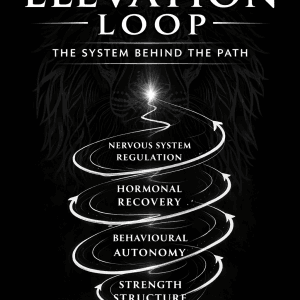
This is where Elevation principles support Empowerment outcomes.
Glycine + magnesium → supports deep sleep and hormonal reset
Consistent routines → stabilise dopamine rhythm
Resistance training → improves insulin sensitivity and sex hormone signalling
Morning light exposure → anchors circadian rhythm
As sleep and signalling improve, baseline wellbeing rises.
Why this reduces relapse risk
Most relapse isn’t about craving alcohol.
It’s about wanting relief from:
Poor sleep
Emotional instability
Low energy
Stress overload
Fix the physiology —
and the psychological pull weakens naturally.