


It overwhelms the human nervous system, emotional world and sense of self.
Too much pressure.
Too much noise.
Too little safety.
Too little connection.
Too little time to breathe, feel, process, or recover.
The result isn’t weakness.
It’s a person stuck in survival mode — doing their best to cope with pain, stress, loneliness, trauma and confusion using whatever tools they’ve learned.
Drugs.
Drink.
Distraction.
Compulsion.
Overworking.
Control.
Avoidance.
These aren’t character flaws.
They are attempts at regulation.
Empowerment exists because people don’t need to be fixed —
they need to feel safe enough to change.
What Empowerment Is (and Isn’t)
Empowerment is not motivation.
It is not willpower.
It is not forcing abstinence or discipline onto a dysregulated system.
Empowerment is the process of restoring internal safety, clarity and personal agency — in the correct order.
When a person feels safer inside themselves,
they stop fighting change and start choosing it.
Why We Start With Awareness
Empowerment begins by gently replacing denial with clarity — without shame, blame or judgement.
We help people understand:
- their patterns
- their emotional world
- the real needs behind their habits
- the role substances and behaviours are playing in their life
This creates the foundation of ownership without self-attack.
Survival Mode: How Stress Hijacks Your Hormones
When people talk about “stress,” what they’re usually describing is a nervous system stuck in survival mode — a biological state that changes how the entire body functions.
Most people aren’t tired because they’re unfit.
They aren’t unfocused because they lack discipline.
They aren’t overwhelmed because they’re weak.
They’re operating in survival physiology, and survival physiology overrides every other priority.
Your brain constantly scans the environment and asks one question: Are we safe?
When the answer is no, the stress response activates. Cortisol and adrenaline rise. Long-term repair shuts down. Digestion slows. Hormones linked to growth, recovery, and reproduction are suppressed. Blood sugar rises. Cravings increase. The brain shifts into vigilance.
Cortisol isn’t the enemy. It exists to keep you alive during short bursts of danger. The problem arises when it never turns off. Chronically elevated or misfiring cortisol leads to anxiety, wired exhaustion, sleep disruption, energy crashes, emotional volatility, and brain fog. This is the physiological signature of prolonged threat.
Under sustained stress, testosterone declines as the body diverts resources away from muscle, libido, ambition, and long-term growth. Thyroid function slows to conserve energy. Insulin regulation becomes impaired, making weight gain, cravings, and metabolic slowdown feel inevitable — even with effort. The body isn’t sabotaging you; it’s protecting you.
Stress chemistry also hijacks the brain. The fear centre becomes dominant while executive function weakens. The result is the familiar fog–loop–collapse pattern: overthinking, intrusive thoughts, irritability, indecision, scattered focus, and an inability to switch off. This isn’t a psychological flaw. It’s biology adapting to a threat that doesn’t end.
This is why motivation fails under stress. You cannot willpower your way out of a nervous system that believes you’re in danger. Discipline, habits, routines, and training collapse not because you lack character, but because your internal operating system has switched from growth to protection.
Elevation works by reversing this process in the correct order. First, the nervous system is stabilised. Cortisol rhythm normalises. Hormones and metabolism begin to recover. Only then can energy, clarity, strength, consistency, and performance return naturally.
This sequencing isn’t philosophy.
It isn’t mindset.
It’s physiology.
And it’s the foundation Elevation is built on.
Why Regulation Comes Next
Until the body and mind learn how to settle,
every decision feels overwhelming
and every emotion feels like a threat.
Empowerment teaches people how to:
- regulate emotions
- manage stress and anxiety
- understand triggers and cravings
- restore sleep and physical stability
- reduce harm
- create safety in daily life
Stability returns first.
Then choice becomes possible.
How We Rebuild the Life
This is where people begin rebuilding:
- identity
- relationships
- boundaries
- confidence
- routines
- goals
- self-respect
They don’t just stop surviving.
They start living with a direction. Finally, achieving goals becomes a behaviour.
How Empowerment Becomes a Way of Life
People discover:
- purpose
- meaning
- creativity
- connection
- contribution
- a future they actually want to protect
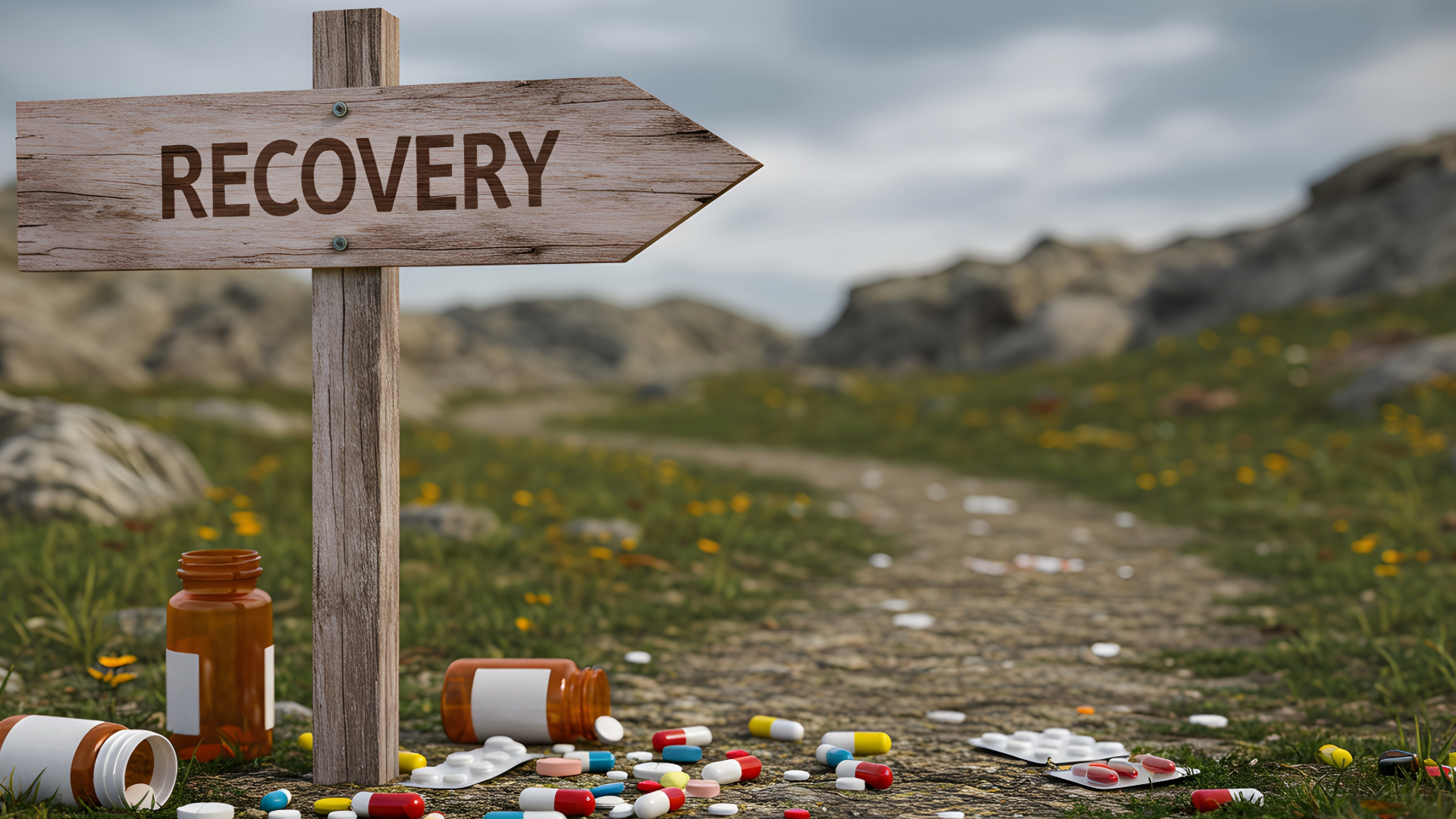
Recovery stops being something they do.
It becomes who they are.
The Truth Behind It All
They do it because they are trying to survive pain without the right support or tools.
Empowerment gives them those tools —
and the belief that they were never the problem in the first place.