


Why stopping the crisis is not the same as restoring the system
If you’ve come through addiction recovery, the hardest part may already be behind you.
You stopped the behaviour.
You stabilised your life.
You broke the cycle.
That matters more than anything.
But many people reach a quiet, confusing point after recovery and think:
“I’m sober… so why don’t I feel okay yet?”
This page exists to answer that question — clearly, honestly and without judgement.
Recovery Ends the Crisis. It Doesn’t Always Restore the Body.
Addiction recovery (Empowerment) is designed to do something essential:
End the crisis.
It focuses on:
- Stopping destructive behaviour
- Creating psychological safety
- Rebuilding basic identity
- Preventing immediate relapse
That work is lifesaving.
It deserves respect.
But recovery is not designed to repair everything addiction leaves behind.
And that’s where many people get stuck.
What Addiction Leaves Behind (Even After Sobriety)
Long-term addiction often places heavy strain on the body — especially:
- The Nervous System
Years of substance use train the nervous system into extremes:
- Chronic stress
- Poor emotional regulation
- Low stress tolerance
- Numbness or hypersensitivity
Even after sobriety, the system can remain “on edge”.
Calm feels unfamiliar.
Boredom feels dangerous.
Stress feels overwhelming.
- Hormones & Neurochemistry
Addiction commonly disrupts:
- Dopamine (motivation, pleasure)
- Serotonin (mood stability)
- Testosterone / estrogen (drive, confidence, resilience)
- Cortisol rhythms (stress regulation)
After recovery, this often shows up as:
- Low energy
- Low motivation
- Anxiety without a clear cause
- Poor sleep
- Flat mood
Many people assume this is permanent.
It usually isn’t.
- Physical Capacity & Confidence
Addiction often pauses:
- Strength
- Consistency
- Physical confidence
- Trust in the body
When recovery ends, people may feel:
“I’m stable — but I’m weak, tired, and unsure who I am now.”
This Is Where Elevation Begins
Elevation does not replace recovery.
It comes after it.
Elevation exists for one reason:
To restore the systems that addiction strained — so you can move forward, not just stay sober.
The bridge moment is simple:
“I’m no longer in crisis… but I don’t feel fully myself yet.”
That sentence means you’re ready for the next phase.
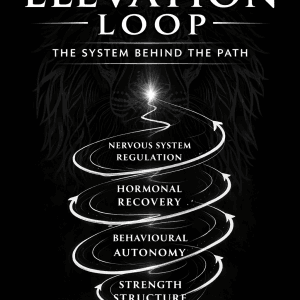
What Elevation Focuses On (In Order)
Elevation works progressively and safely.
- Nervous System Restoration
- Stress tolerance
- Sleep regulation
- Emotional steadiness
This reduces relapse risk more effectively than willpower alone.
- Hormonal & Metabolic Repair
- Energy
- Motivation
- Mood stability
- Confidence
This is often when people say:
“I finally feel like myself again.”
- Physical Strength & Structure
- Resistance training
- Routine
- Embodied confidence
Strength becomes proof that recovery is real and durable.
- Performance & Identity Rebuild
- Ambition returns safely
- Goals feel possible
- Identity moves beyond “recovery”
This is no longer about survival.
This is about authorship.
- Optimisation (Optional, Earned)
For some, fine-tuning comes later:
- Supplements
- Medical optimisation
- Performance focus
Not as escape — as integration.
Why This Matters
Without this phase:
- People plateau
- Confidence stalls
- The body is ignored
- Frustration grows
- Relapse risk quietly increases
Not because recovery failed — but because recovery wasn’t the final step.
The Clean Distinction
Empowerment ends the crisis. Elevation repairs the system the crisis damaged.
Or simply:
Empowerment stops the bleeding. Elevation rebuilds the person.
Both are necessary.
In the right order.
A Final Reassurance
If you’re not ready for Elevation yet, that’s okay.
There is no rush.
No pressure.
No hierarchy.
Understanding — and rebuilding — unfolds over time.
When your system is ready, Elevation is here.